|
||||||||
enumerate() - Python Automation and Machine Learning for ICs - - An Online Book - |
||||||||
| Python Automation and Machine Learning for ICs http://www.globalsino.com/ICs/ | ||||||||
| Chapter/Index: Introduction | A | B | C | D | E | F | G | H | I | J | K | L | M | N | O | P | Q | R | S | T | U | V | W | X | Y | Z | Appendix | ||||||||
================================================================================= The enumerate() function in Python is a built-in function that is used specifically for iterating over a sequence (such as a list, tuple, or string) while keeping track of the index (position) of the current element. It returns pairs of index and element, making it easier to loop through elements and their corresponding positions in an iterable. For instance, a Python code is:
Then, the output will be:
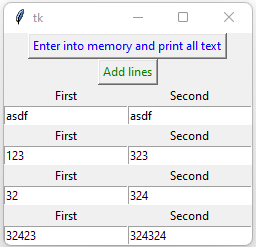
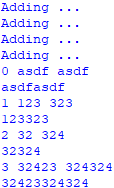
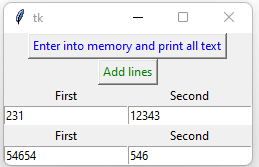
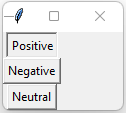
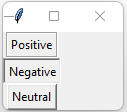
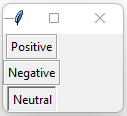
============================================ Using enumerate() to get index and key-value pairs. Code: Output: ============================================ Count if there is empty strings in a list. Code: ============================================ Find duplicate items in a list: Code: ============================================ Find duplicate items in a list: Code: ============================================ Add inputs: code: ============================================ Single options: code: ============================================ Open a file with file index in the folder: code: ============================================ Remove the item which has duplicates without removing the first one: code: ============================================ Extract elements from a list using index. Code: ============================================
|
||||||||
| ================================================================================= | ||||||||
|
|
||||||||